A Costa Rican experience of participatory evaluation that transformed perspectives and practices
by Karol Cruz Ugalde, Eddy García Serrano and Juan Murciano
 What happens when those who have historically been evaluated become co-evaluators? How can such a change be fostered, managed, and capitalized upon? Is it possible to promote participatory evaluation from within public institutions? How?
These were some of the questions that prompted us to write this chapter about the evaluation of the Program for the Promotion of the Autonomy of Persons with Disabilities in Costa Rica. We did not want to recount a technical process full of methodologies and results, but rather to share, from within, a living, challenging, and deeply human experience.
Within these pages, readers will find the Costa Rican context —a country with a legal framework that recognizes the rights of persons with disabilities, but which still faces great challenges in making those rights a part of daily life. Presenting this backdrop was essential, as it grounds the very purpose of our work: to show how evaluation can be a tool for transformation and democratic strengthening.
 In the third episode of this new podcast season, we share a chapter from the book ‘
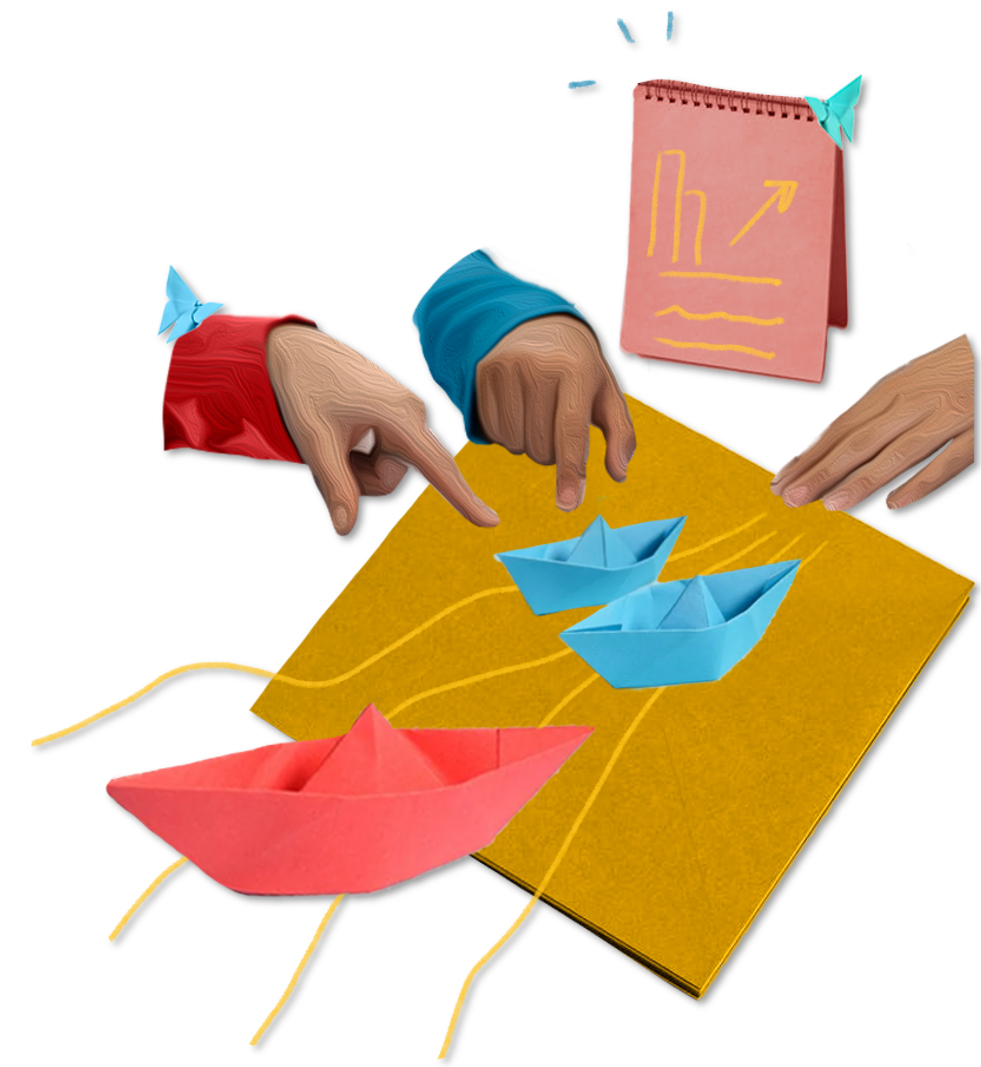 ‘Readiness’ is an English language term that is difficult to translate into Spanish as it encompasses various themes: preparation, availability, propensity, timeliness, agility, competency, willingness – among others. In the Spanish version of this entry, we use ‘availability’ (‘disposición’) with the understanding that it covers the other themes. In the field of evaluation, readiness is foremost across the first two steps of Utilization-focused Evaluation (UFE) as proposed by Michael Quinn Patton (2008). Readiness is also referenced in other fields, for instance in communication strategy design (Ramelan, 2014).
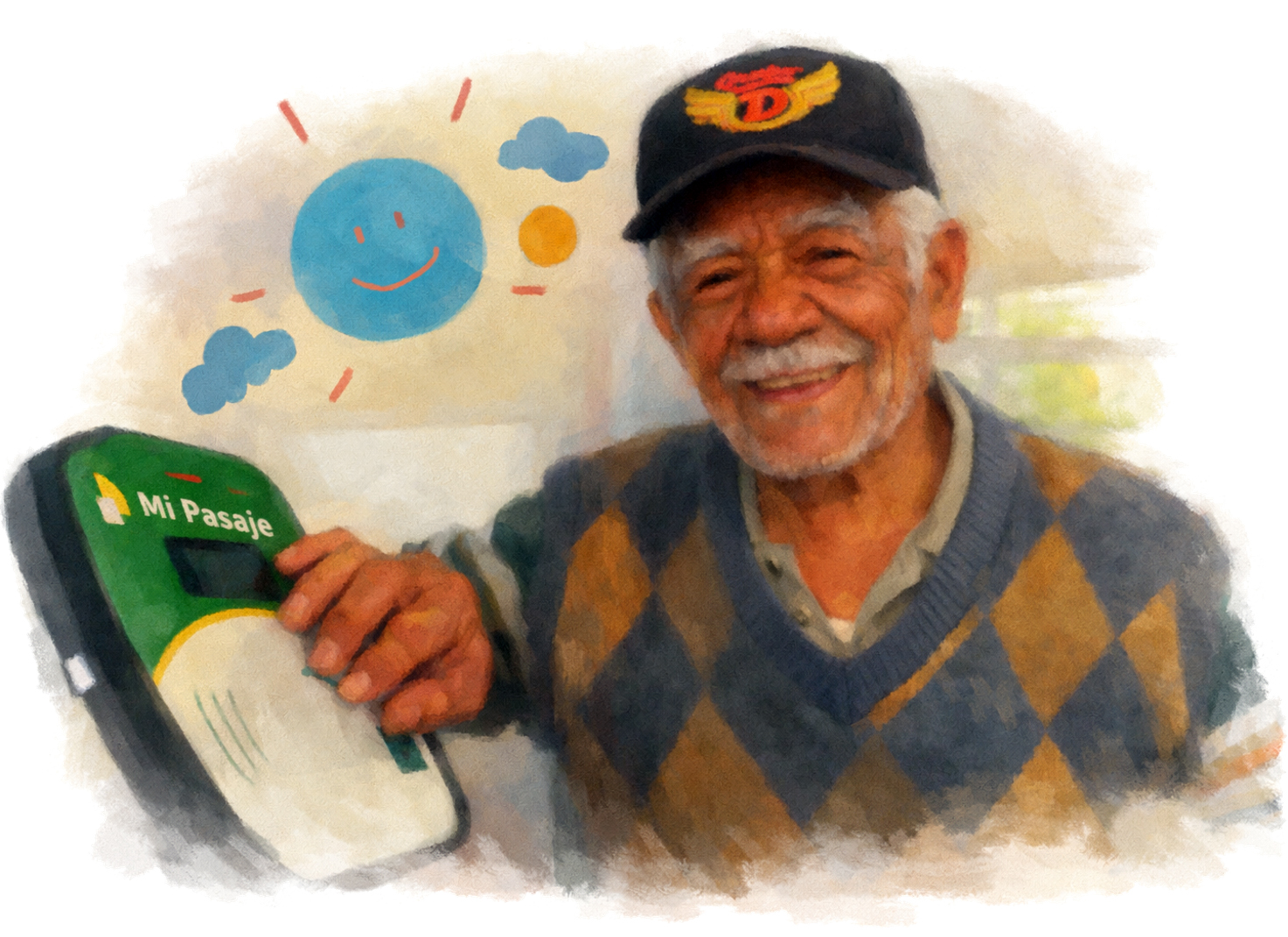 I’m genuinely delighted to share a personal take on Chapter 7: Participatory evaluation of a public transport support policy: an inclusion and transformation perspective – Jalisco (Mexico), recently published in the book Evaluation, Democracy and Transformation: Experiences of Participatory Evaluation in Latin America. I co-wrote it with Sugey Salazar and Selene Michi, and together with other colleagues we reflect on what it really means to carry out public policy evaluation using participatory approaches from within the public sector.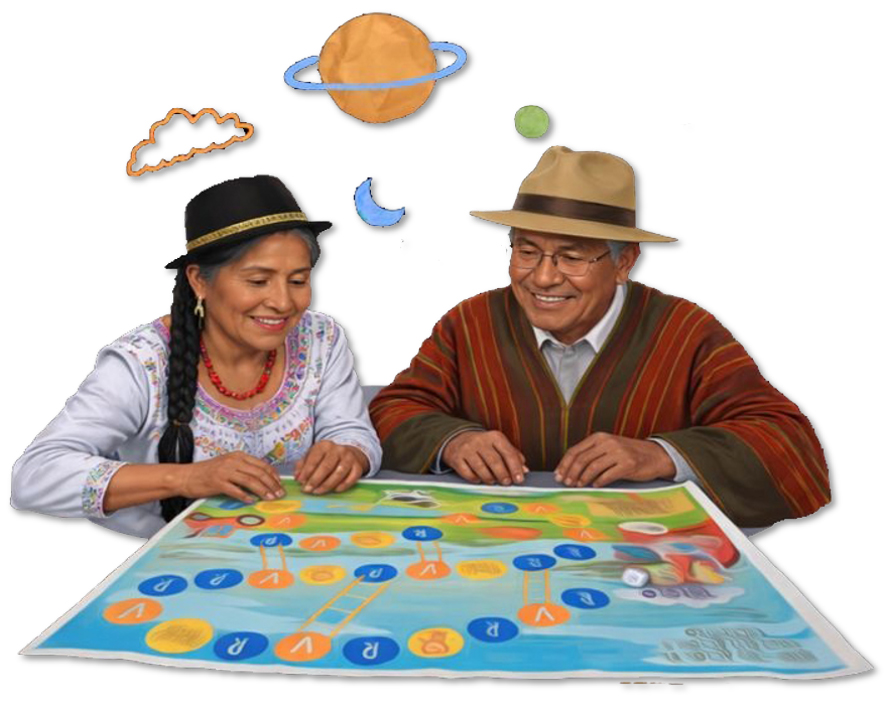
 As we close this seven-year cycle of collective work, we wish to celebrate what we have built together: a vibrant community of practice and learning around participatory evaluation and inclusive approaches. Within it, every voice has contributed, every shared experience has enriched us, and every encounter has woven bonds that go beyond isolated practices, now reaching more than four thousand people and multiple organizations.
 In
In  With the enforcement of Mongolia’s Law on Special Protected Area
  The chapter we present in the book